
← Nose News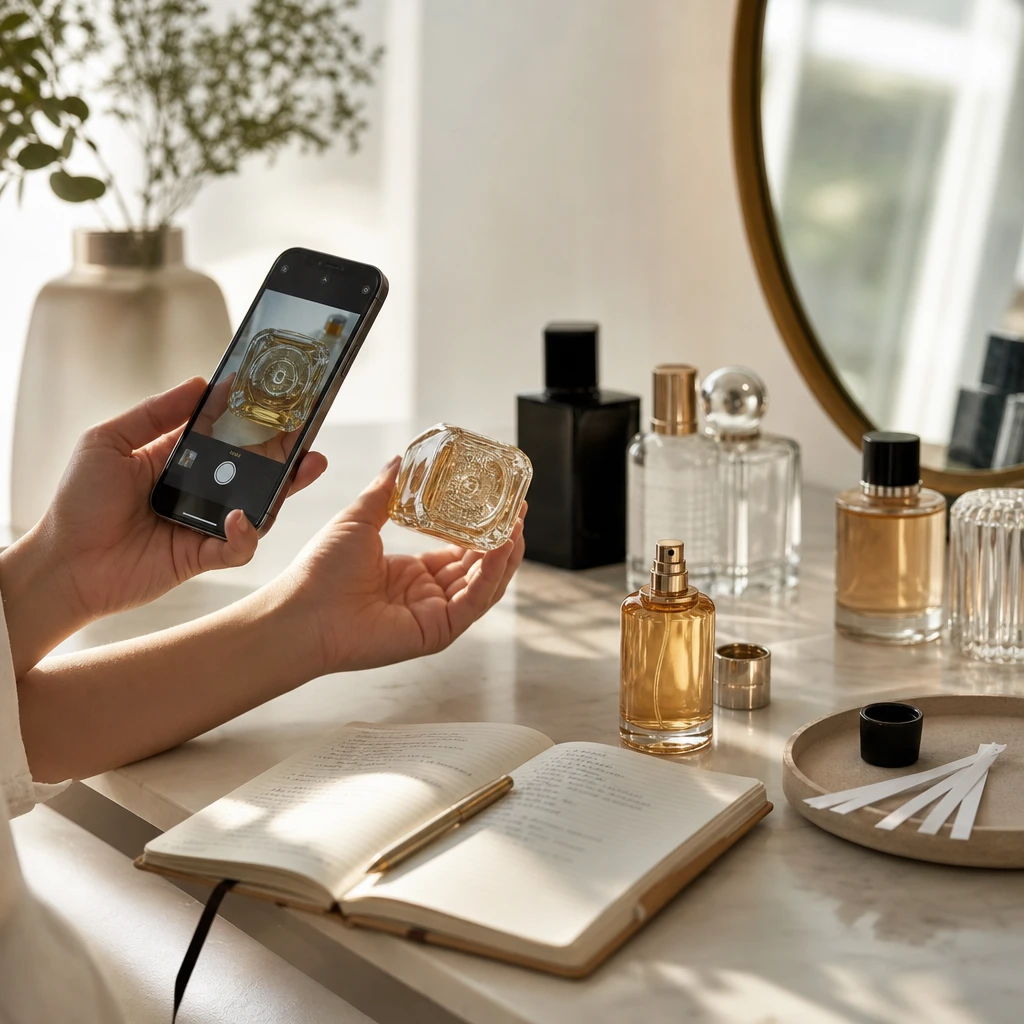
October 21, 2026
Is Your Perfume Reformulated—or Is It Just You? How to Tell, What to Track, and What to Do Next
October 21, 2026
A familiar scent can feel like a memory you can wear—so when it suddenly smells sharper, weaker, sweeter, or just different, it’s unsettling. The internet’s quickest answer is “reformulation,” but in practice there are several culprits that can mimic it: normal batch variation, bottle age and oxidation, storage conditions, changes in your skin (or your nose), and even packaging/label changes that look like formula changes.
The goal isn’t to win a debate online—it’s to decide what to do next: rebuy confidently, hunt for an older bottle, or move on to something that gives you the feeling you miss.
Reformulation is a deliberate change to the formula by the brand (for regulatory reasons, ingredient availability, cost, performance, or creative direction). It often aligns with a new production period and may coincide with packaging updates—though not always.
Batch variation is the natural difference between production runs. Even with strict quality standards, raw materials can vary slightly, and small shifts can read as noticeable in a scent you know intimately.
Bottle age and oxidation are about what happens after you own the bottle. Heat, light, air exposure, and time can dull top notes, emphasize sweetness, or create a “stale” edge. This is especially common when a bottle is stored in a bright bathroom, frequently warmed/cooled, or kept half-full for years.
In 2026, more consumers are noticing longer ingredient disclosures and more detailed allergen information. Expanded fragrance allergen labeling rules for new products placed on the market after July 31, 2026 can make a box look “different” even when the scent hasn’t been meaningfully reformulated. A new-looking ingredients panel can be a compliance update rather than a scent overhaul.
That matters because people often compare an older box to a newer one and assume a new list equals a new smell. It might—but it’s not proof by itself.
When the vibe is off, try to recreate a fair comparison. One wear in a different mood—or after coffee, a cold, or a new moisturizer—can change perception.
Start with a simple, repeatable mini-protocol:
If it smells “wrong” on skin only but still smells “right” on fabric, that points away from reformulation and toward skin chemistry, product interaction (lotions, sunscreen), or even hydration and temperature.
If it smells “wrong” everywhere—skin, fabric, and blotter—then reformulation, batch variation, or bottle condition move higher on the list.
Before going deep on batch codes and version-hunting, rule out the easy stuff.
Storage reality check: Perfume prefers cool, dry, dark, and steady. If your bottle lives in a bathroom (steam + heat cycles) or on a sunny dresser, it may simply be tired.
How full is the bottle? More air space in the bottle can accelerate oxidation over time. A half-empty bottle that’s years old can smell flatter than you remember.
Color changes: Many perfumes naturally deepen with age, but a sudden dark shift paired with a sour or “stale” opening can indicate oxidation.
Atomizer issues: A clogged or failing sprayer can change the droplet size and your perception (especially if it starts “spitting” rather than misting).
None of this is glamorous, but it solves a surprising number of “reformulation” scares.
Batch codes are useful because they help anchor a bottle to a production timeframe. That can help you compare an older bottle to a newer one—and determine whether your “new bottle” is actually from a different year than you assumed.
A few grounded expectations:
If you’re building a long-term scent wardrobe, the best habit is simple: treat batch codes like a wine vintage—log them when the bottle is still new to you.
Even when nothing changes in the formula, perception changes.
Common reasons:
If your perfume suddenly feels faint, it may not be weaker—your nose may be adapting faster. Testing on fabric, or asking someone you trust to smell your scarf (not your wrist), can give a more honest read.
Once you’ve done a fair comparison, you have three main paths.
Don’t immediately assume the entire line changed.
This is where documentation pays off.
You still have options besides paying collector prices.
When people feel burned by a changed favorite, it’s usually because there’s nothing concrete to compare—just memory.
A simple tracking system can turn future “is it reformulated?” moments into an evidence-based decision. We recommend saving:
Inside N.O.S.E. Notebook, that’s exactly what a personal fragrance vault is for: catalog what you own, attach photos (including batch codes), and keep quick wear notes so you can compare bottles across time—without relying on a hazy mental snapshot.
When a perfume smells different, reformulation is only one possible explanation. A careful comparison across skin, fabric, and time—plus basic checks for storage, bottle age, and batch code context—usually reveals what’s going on.
If you’re ready to take the guesswork out of future rebuys, build the habit of logging your bottles and wear tests as you go. The N.O.S.E. Notebook team designed our scent profile and fragrance vault tools to make that process effortless—so your next “does this smell different?” moment comes with receipts, not regret.
Find your next scent
Browse scent profiles, notes, and houses — or let the Scent Finder match you to a fragrance in four questions.
October 23, 2026
“Cashmere” in perfumery can mean clean, creamy, woody, or musky—sometimes all at once. Here’s how to decode the term, spot the style you’ll actually enjoy, and pick a sweater scent that wears beautifully on your skin.
October 19, 2026
Trying to figure out “what perfume is this?” from a bottle photo can be fast—if you scan smart. Here’s how to use a perfume scanner app to get accurate matches, especially with flankers, limited editions, and low-light photos.
October 16, 2026
Fall/Winter 2026 fragrance is all about comfort with personality: soft “your skin but better” musks, edible-leaning gourmands with a savory twist, and bolder atmospherics that still feel wearable. Here’s what’s trending—and how to translate the trend into a scent that actually fits you.